From the Lab
Scientific perspectives on peptide chemistry, analytical methods, and developments in the research peptide field.
Showing all 48 articles

Best Peptides for Body Composition Research (2026 Guide)
A comprehensive guide covering GLP-1 agonists, GH secretagogues, and metabolic peptides studied in fat metabolism and lean mass research.
Read Article →
BPC-157: The Most Studied Tissue Repair Peptide
Over 100 preclinical studies spanning tendon, ligament, muscle, bone, and GI tissue repair. A complete research overview.
Read Article →
CJC-1295 and Ipamorelin: Why Researchers Study This Combination
The science behind GHRH and ghrelin receptor synergy, and why dual activation produces amplified GH pulses.
Read Article →
Peptide Stacks: Common Research Combinations Explained
The pharmacological rationale for GH secretagogue stacks, repair peptide pairs, and metabolic combinations.
Read Article →
Peptides vs. SARMs vs. Prohormones: A Researcher's Comparison
Structure, mechanisms, receptor selectivity, and regulatory status compared across three compound classes.
Read Article →
TB-500 (Thymosin Beta-4): Wound Healing Research Overview
How the active fragment of Thymosin Beta-4 promotes tissue repair through actin regulation and cell migration.
Read Article →
Growth Hormone Secretagogues: A Researcher's Guide
GHRH analogs, ghrelin mimetics, and the two-receptor model driving GH secretagogue research.
Read Article →
GHK-Cu: The Copper Peptide in Regenerative Research
Structure, gene modulation profile, and preclinical evidence for tissue remodeling and skin repair.
Read Article →
What Does 98%+ Purity Actually Mean for Research Peptides?
What the purity percentage represents, what impurities remain in the other 2%, and when it matters most.
Read Article →
How to Read a Peptide Certificate of Analysis
The five critical data points every CoA should contain and the red flags that indicate a supplier may not deliver.
Read Article →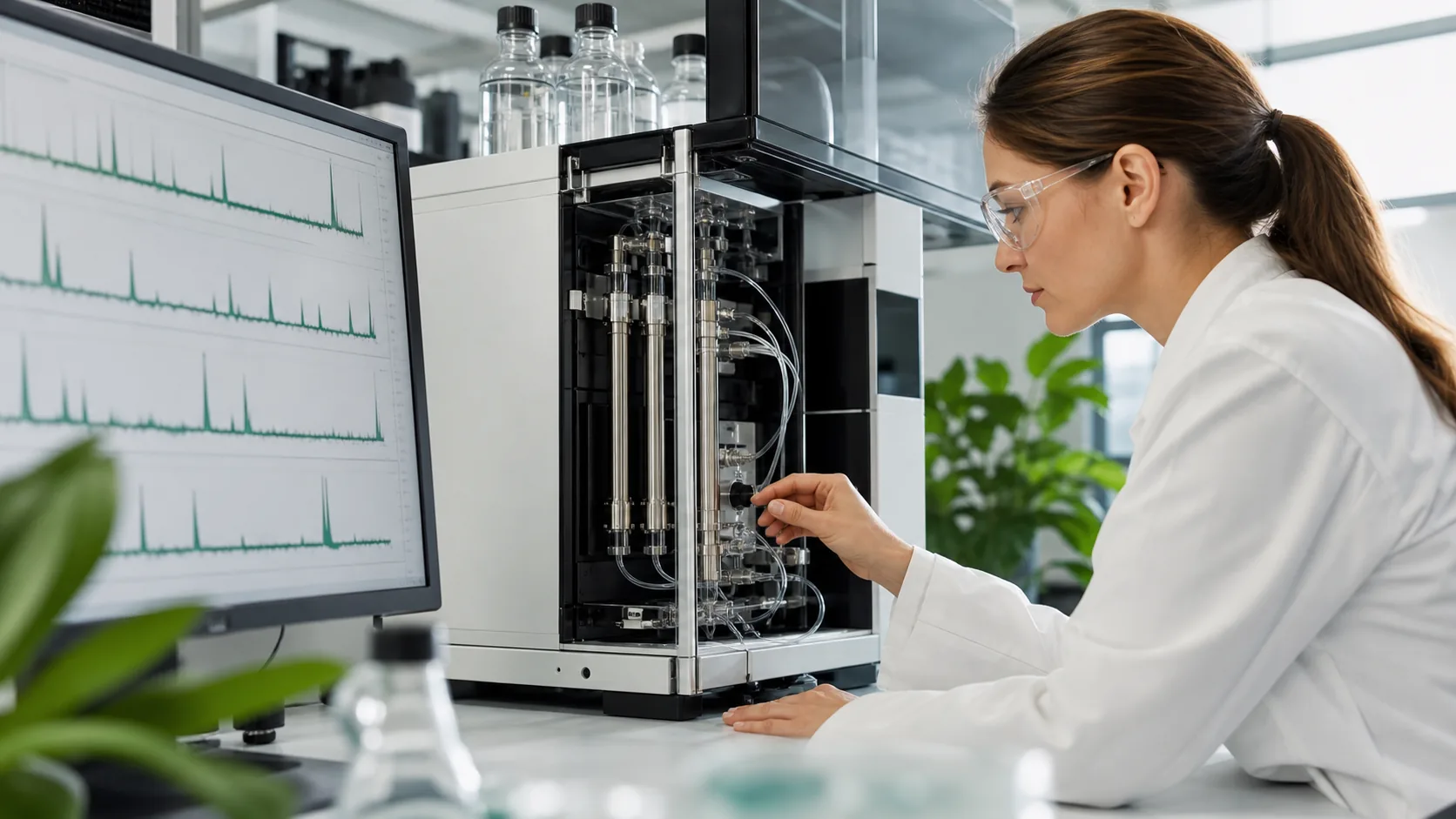
Understanding HPLC Purity Analysis in Peptide Research
The gold standard for verifying peptide purity. How to read chromatograms and interpret purity percentages.
Read Article →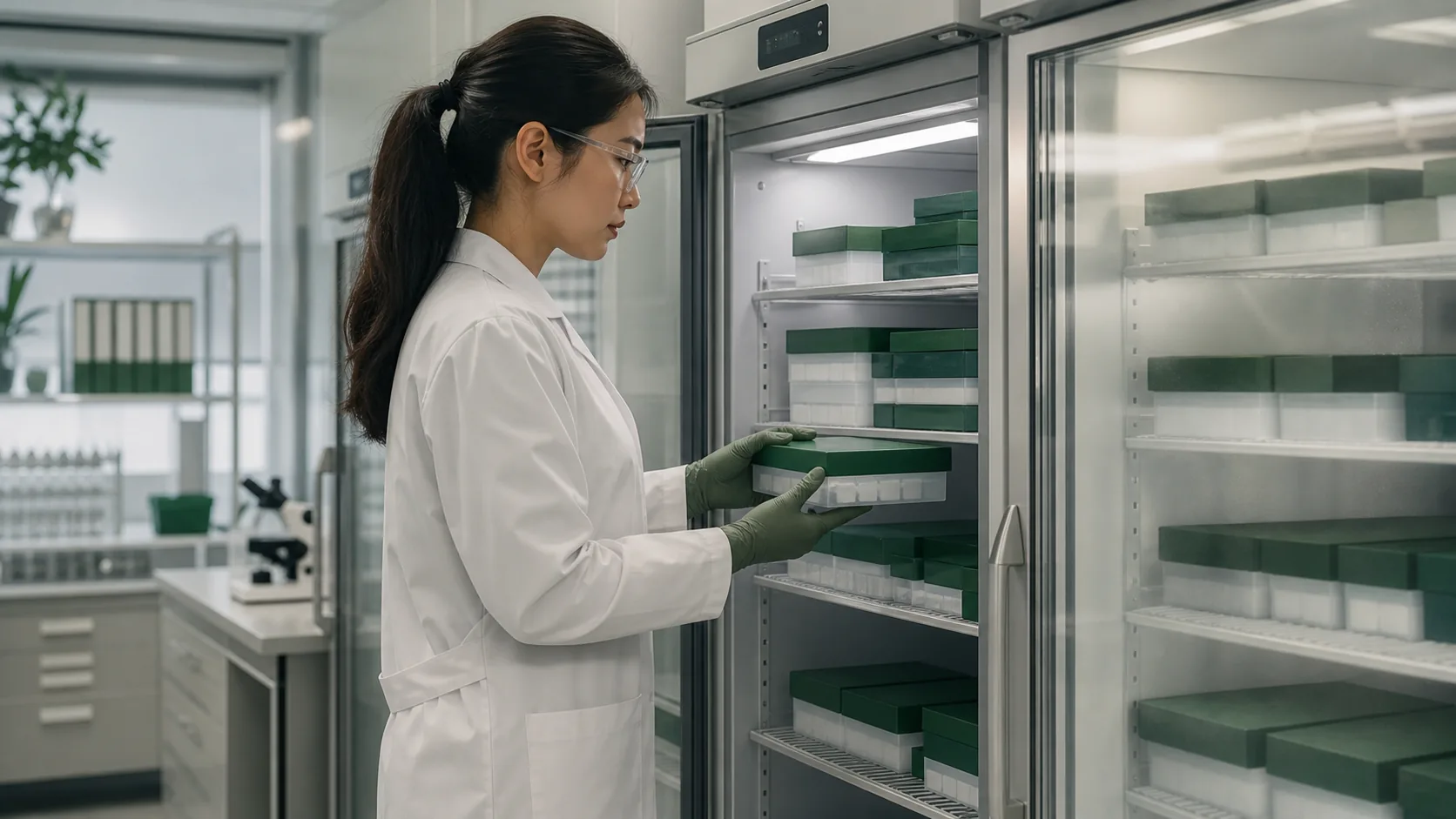
Best Practices for Research Peptide Storage and Handling
Temperature, light exposure, moisture control, and reconstitution protocols for maintaining compound stability.
Read Article →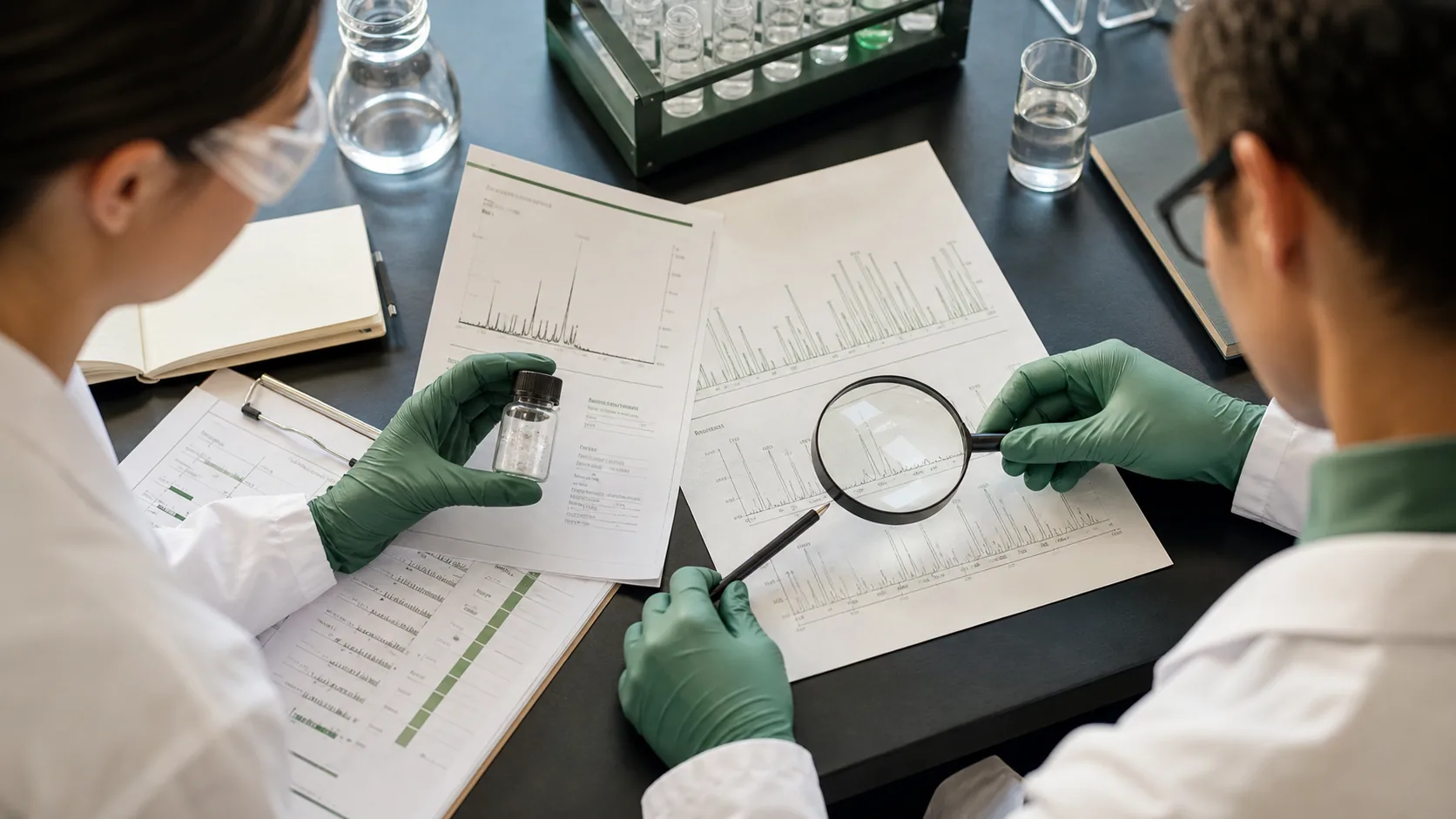
Certificates of Analysis: What Every Researcher Should Verify
Red flags vs. green flags on a CoA. What batch documentation, HPLC data, and MS results should look like.
Read Article →
How Peptides Are Studied for Fat Metabolism Research
GLP-1 agonists, GH secretagogues, mitochondrial peptides, and hGH fragments: mapping every metabolic pathway.
Read Article →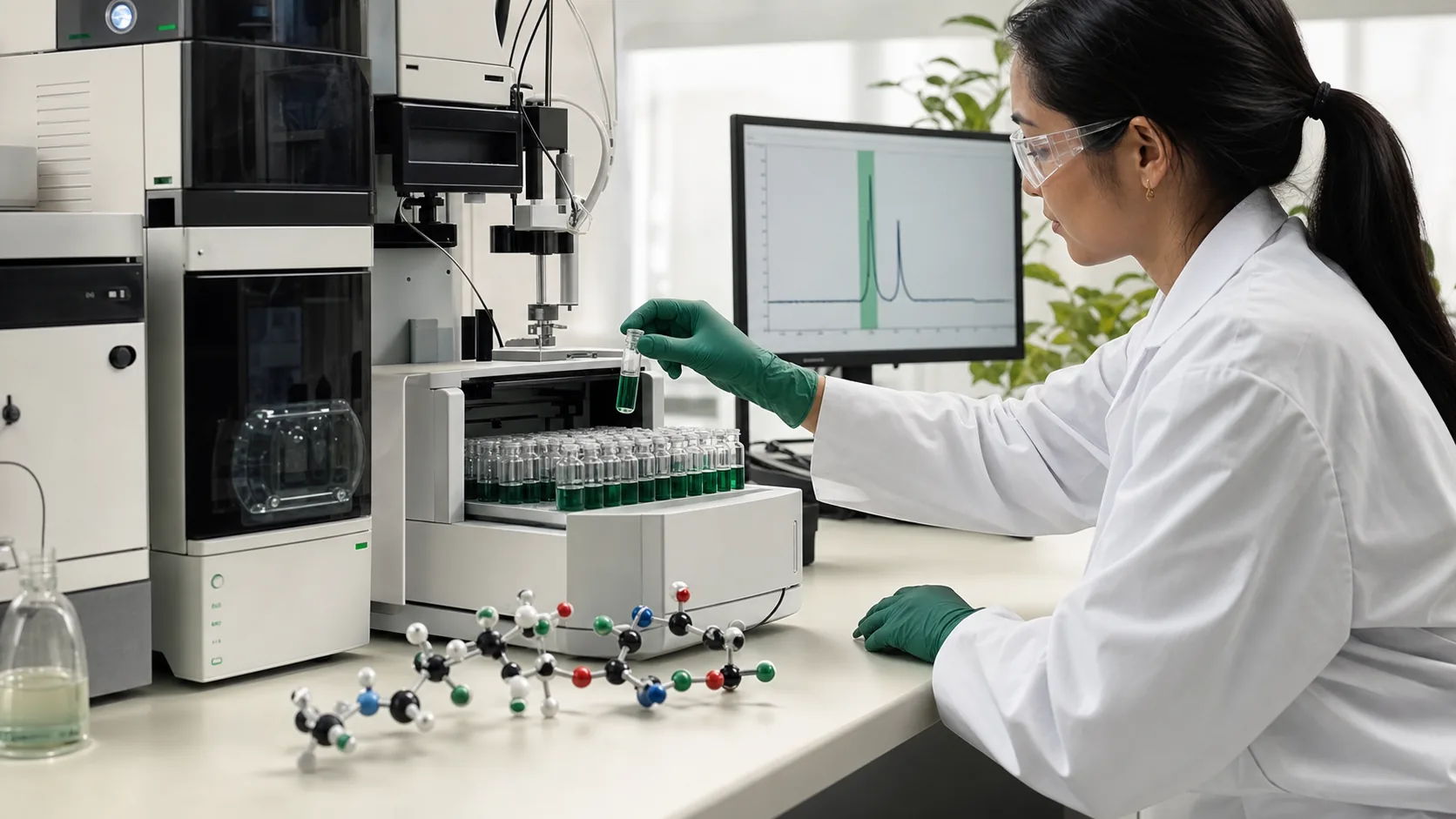
AOD-9604: What Researchers Need to Know
The hGH fragment 176-191 that retains lipolytic activity without affecting IGF-1 or insulin sensitivity.
Read Article →
GLP-1 Receptor Agonists: The Science Behind the Research
From native GLP-1 to semaglutide to tirzepatide: the engineering evolution of incretin peptides.
Read Article →
5-Amino-1MQ: Research Applications in Metabolic Studies
How this NNMT inhibitor increases NAD+ and SAM levels to shift adipocyte energy metabolism.
Read Article →
Tesamorelin in Lipodystrophy Research: A Complete Overview
The only FDA-approved GHRH analog. Phase III visceral fat reduction data and NAFLD research.
Read Article →
MOTS-c: The Mitochondrial Peptide in Metabolic Research
A 16-amino acid mitochondrial-derived peptide that activates AMPK and mimics exercise benefits.
Read Article →
Sermorelin Research: The Original GHRH Analog
The first GHRH analog approved by the FDA. History, mechanism, and comparison to modern analogs.
Read Article →
IGF-1 LR3: The Long-Acting Growth Factor in Muscle Research
How the LR3 modification extends IGF-1 bioavailability from 15 minutes to 20-30 hours.
Read Article →
Follistatin 344: Myostatin Inhibition in Muscle Research
Removing the biological brake on muscle growth by neutralizing myostatin signaling.
Read Article →
MK-677 vs. Peptide Secretagogues: A Pharmacological Comparison
Oral bioavailability vs. receptor selectivity: comparing ibutamoren to ipamorelin and GHRPs.
Read Article →
GHRP-2 vs. GHRP-6: Selectivity and Research Applications
GH release potency, cortisol effects, and appetite stimulation compared across the GHRP class.
Read Article →
Peptides Studied for Muscle Recovery and Repair
BPC-157, TB-500, IGF-1, and GH secretagogues mapped to each phase of muscle recovery.
Read Article →
IGF-1 DES: The Truncated Growth Factor with Enhanced Potency
How removing three amino acids creates ~10x higher potency at the IGF-1 receptor.
Read Article →
Hexarelin: The Most Potent GH-Releasing Hexapeptide
Strongest GH release of any peptide secretagogue, plus cardioprotective properties via CD36.
Read Article →
Epitalon: Telomerase Activation in Longevity Research
The tetrapeptide studied for telomere extension, pineal gland function, and lifespan in preclinical models.
Read Article →
Humanin: The Neuroprotective Mitochondrial Peptide
The first mitochondrial-derived peptide, discovered in surviving Alzheimer's neurons.
Read Article →
NAD+ and Peptide Research: The Longevity Connection
How MOTS-c and 5-Amino-1MQ intersect with sirtuin activation and cellular aging.
Read Article →
Thymosin Alpha-1: Immune Modulation Research
Approved in 35+ countries. The thymic peptide that enhances T-cell and NK cell function.
Read Article →
PT-141 (Bremelanotide): Melanocortin Receptor Research
FDA-approved MC4R agonist. Central mechanism distinct from peripheral approaches.
Read Article →
Selank and Semax: Nootropic Peptide Research
Anxiolytic vs. nootropic: two heptapeptides targeting different neurological pathways.
Read Article →
Peptides in Skin and Collagen Research
GHK-Cu, matrikines, signal peptides, and Argireline: mapping every dermatological peptide class.
Read Article →
BPC-157 in Gut Health and GI Research
The gastric pentadecapeptide's origin story: mucosal healing, barrier function, and IBD models.
Read Article →
Peptides Studied for Tendon and Joint Repair
BPC-157, TB-500, and GH secretagogues mapped to tenocyte biology and collagen synthesis.
Read Article →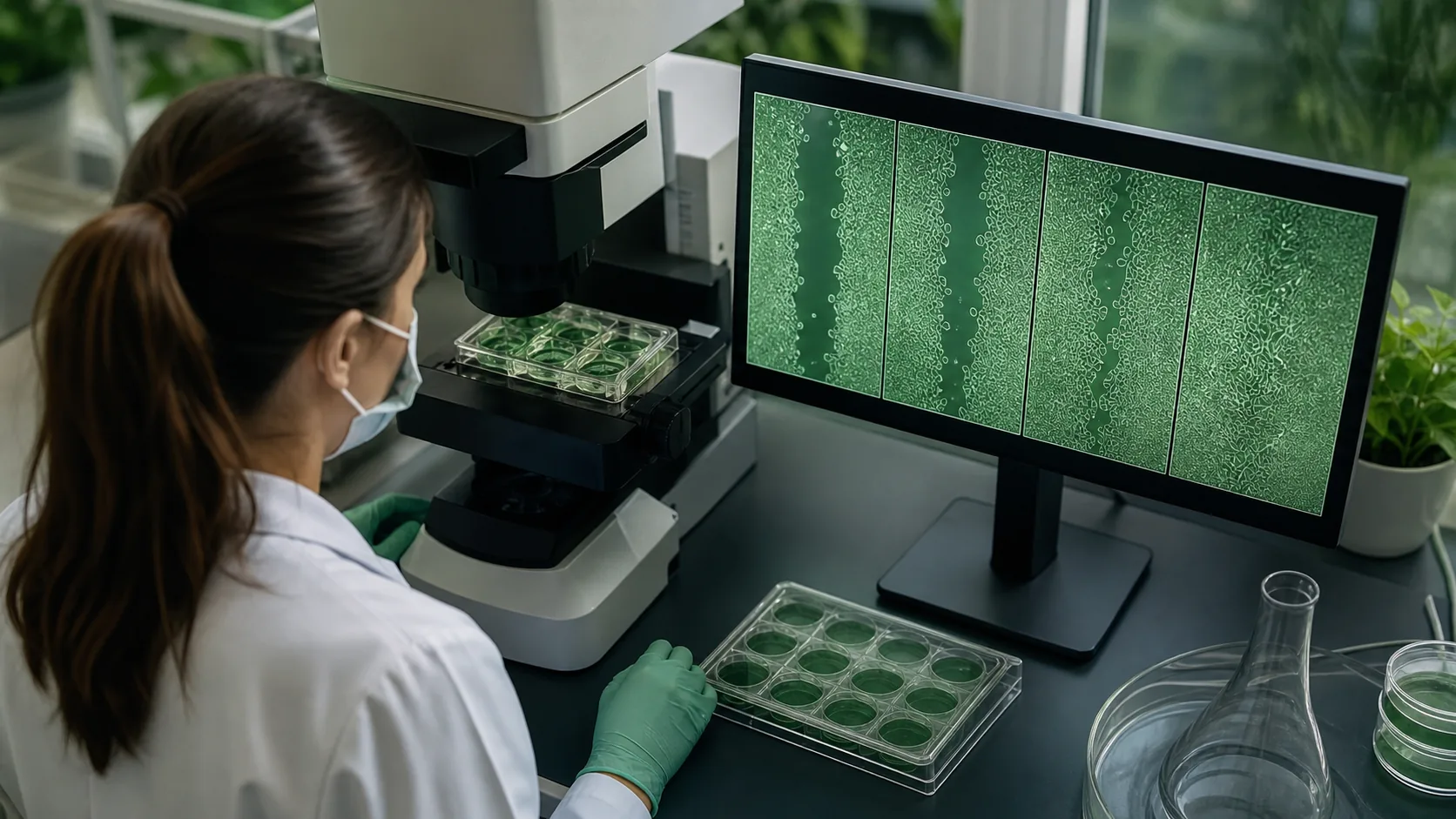
Peptides in Wound Healing Research
GHK-Cu, TB-500, BPC-157, and antimicrobial peptides mapped to each wound repair phase.
Read Article →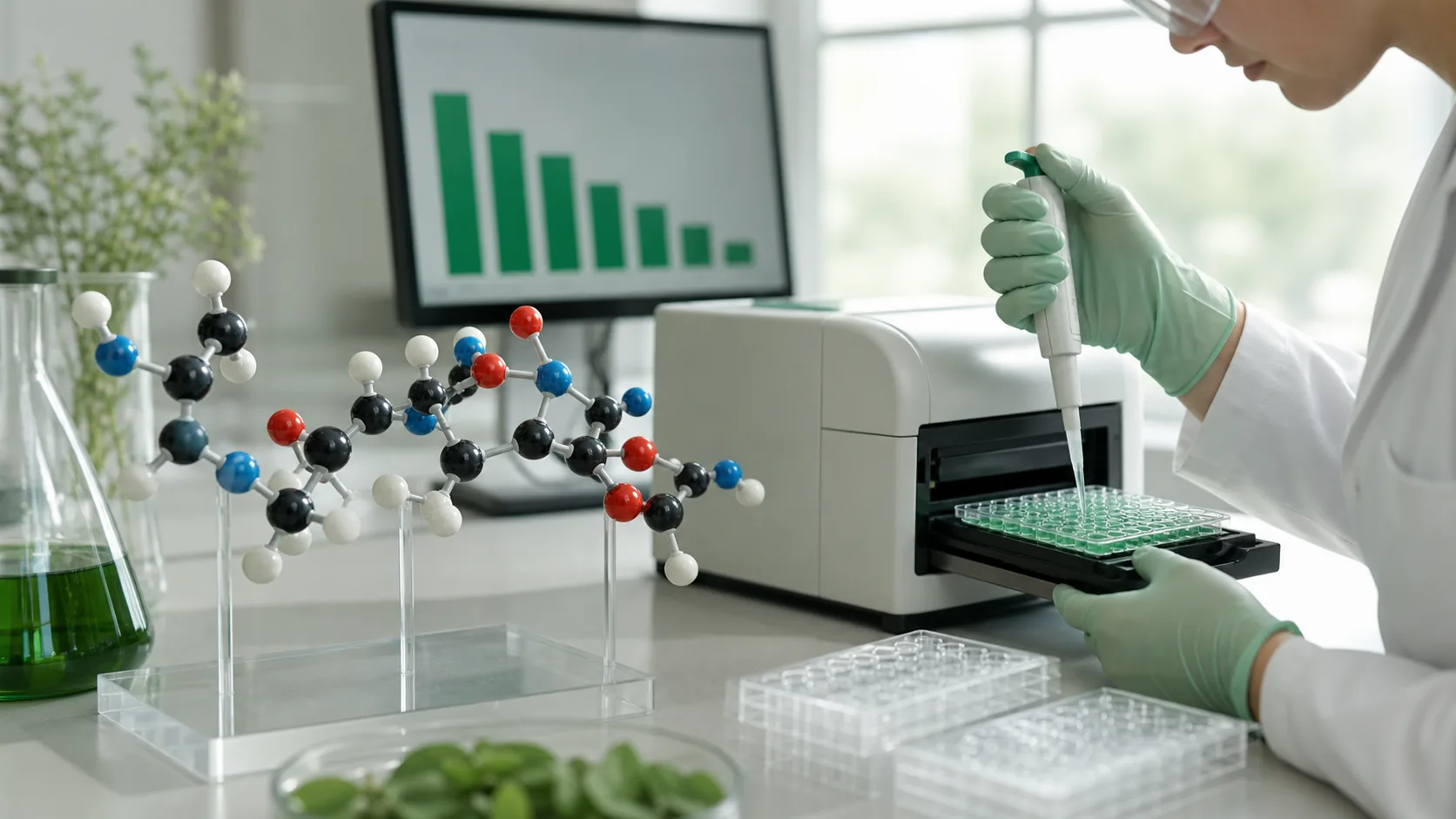
KPV: The Anti-Inflammatory Tripeptide
Alpha-MSH C-terminal fragment that directly inhibits NF-kB nuclear translocation.
Read Article →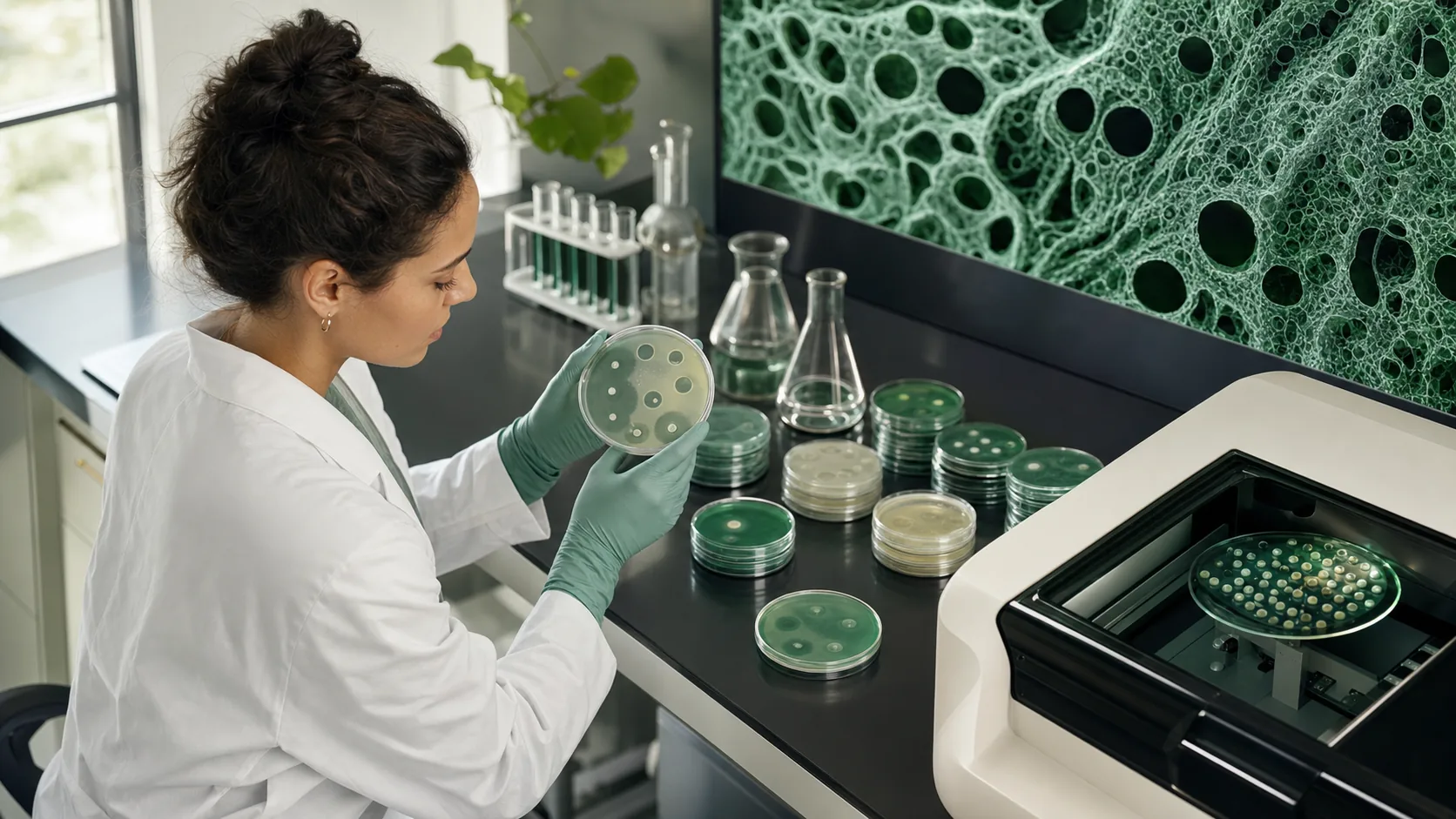
LL-37: The Human Antimicrobial Peptide
The only human cathelicidin: membrane disruption, immune modulation, and anti-biofilm research.
Read Article →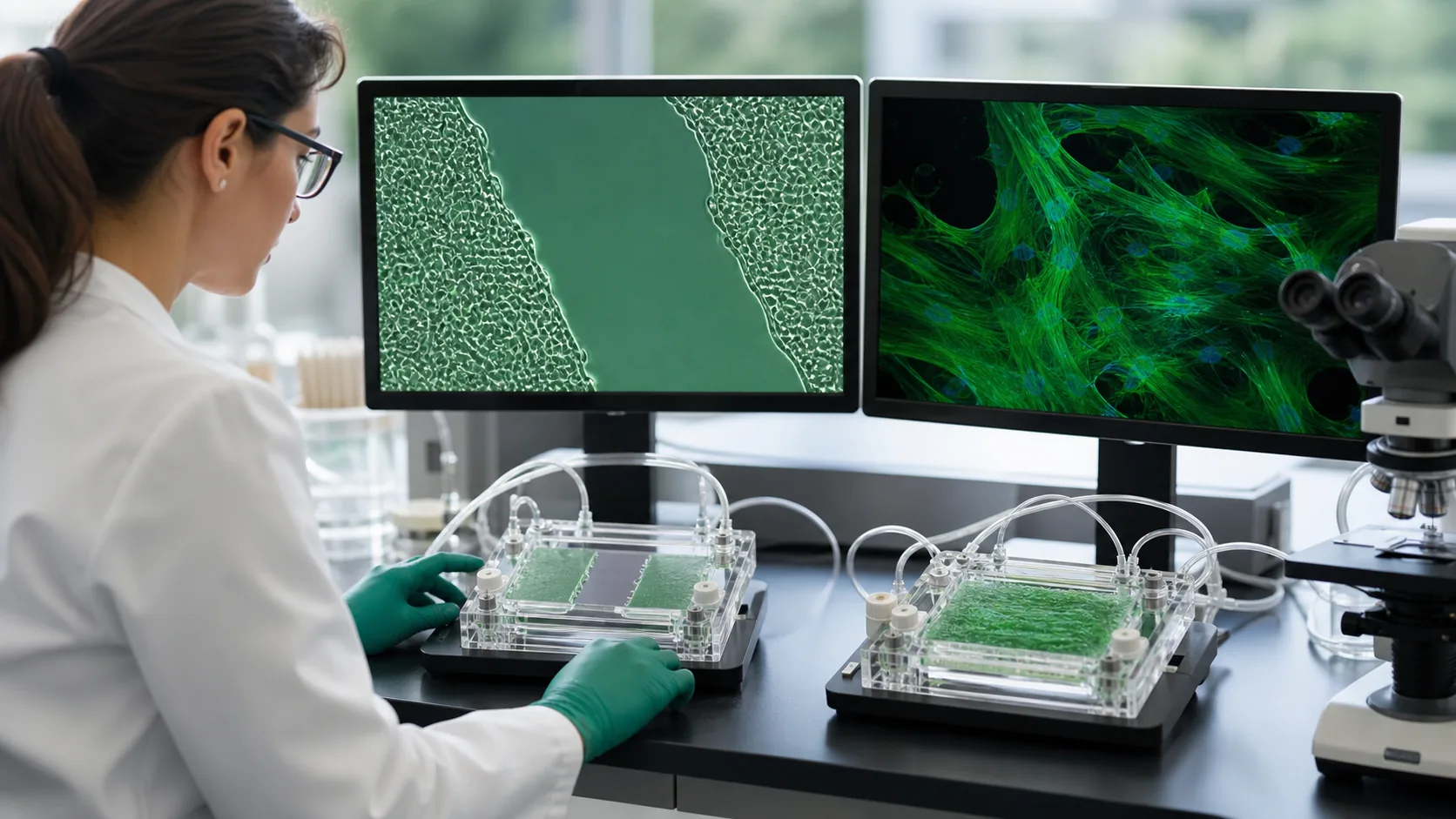
BPC-157 vs. TB-500: A Research Comparison
Growth factor signaling vs. actin regulation: head-to-head mechanism comparison.
Read Article →
BPC-157 Pentadecapeptide: Dosing in Research Models
Published dose ranges, acetate vs arginine salt, and stability reference for research design.
Read Article →
How to Reconstitute Research Peptides
Step-by-step: bacteriostatic water, calculations, technique, and common mistakes to avoid.
Read Article →
Bacteriostatic Water: What You Need to Know
BAC water vs. sterile water vs. saline: composition, storage, and shelf life compared.
Read Article →
Peptide Storage and Stability Guide
Lyophilized vs. reconstituted stability, degradation pathways, and shelf life optimization.
Read Article →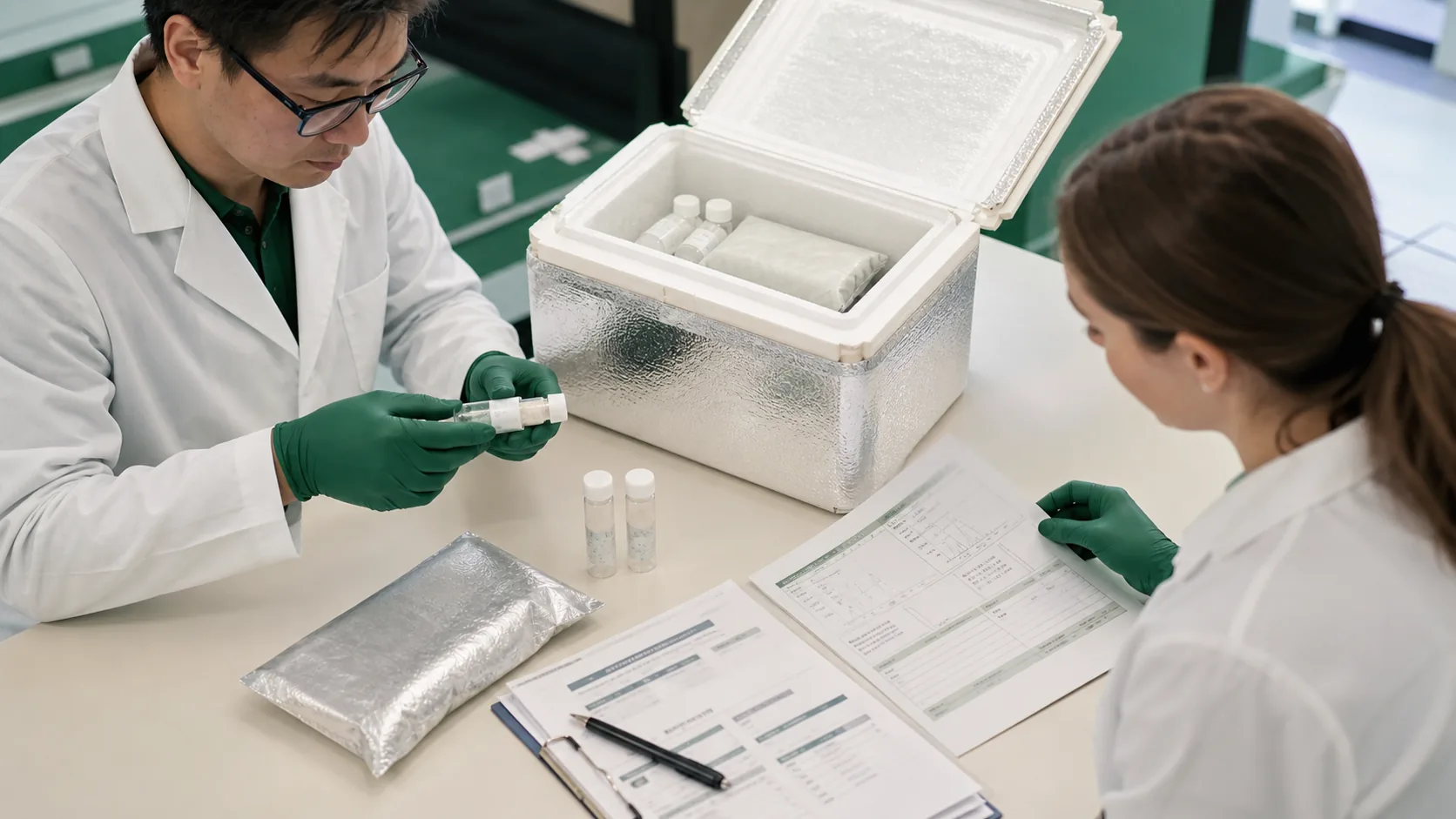
How to Choose a Research Peptide Supplier
Quality checklist: CoA verification, third-party testing, red flags, and what to demand.
Read Article →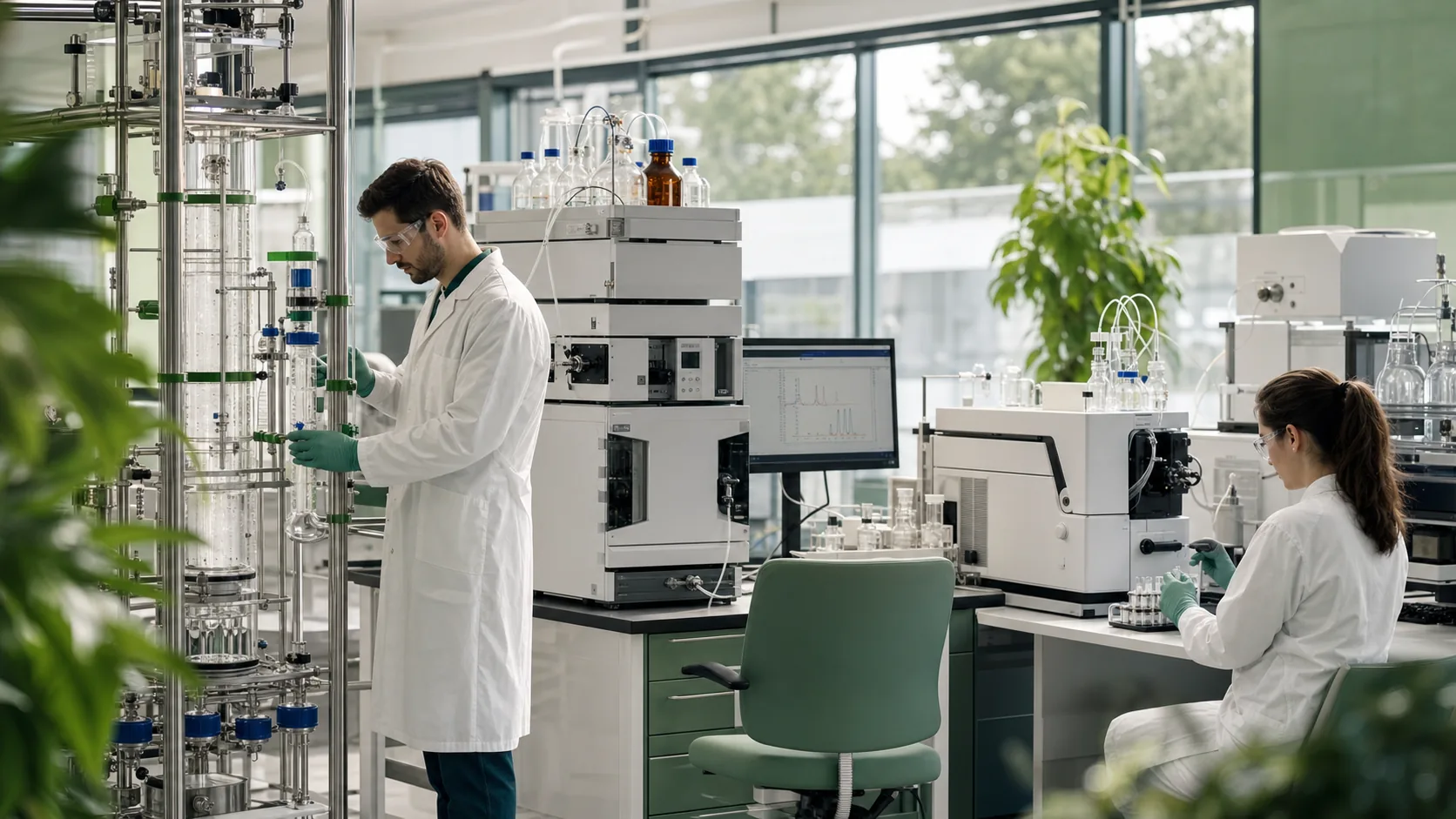
Research Peptide Pricing: What Determines Cost
Synthesis complexity, purity requirements, and how to evaluate value vs. cost.
Read Article →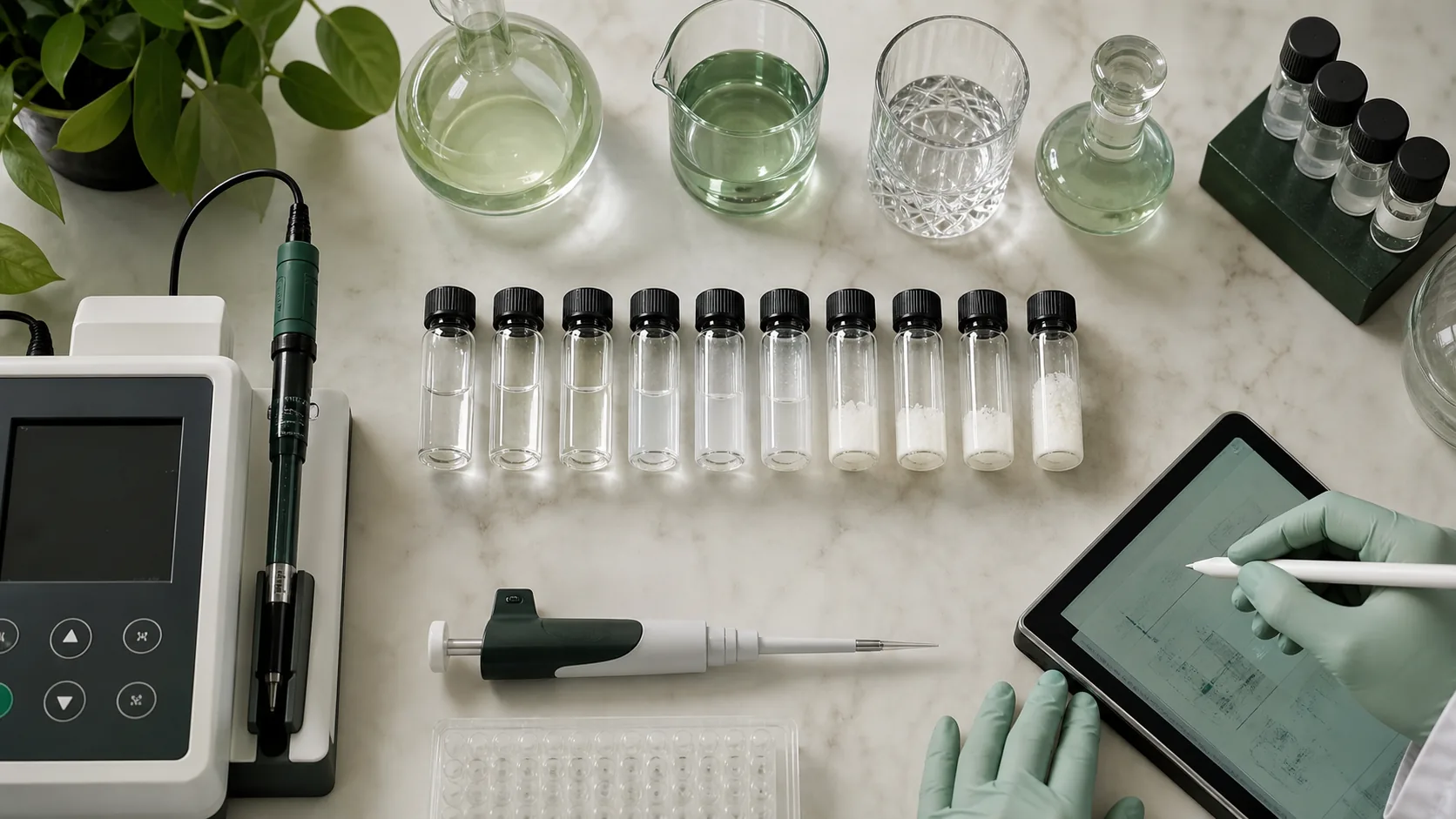
Peptide Solubility Guide: Choosing the Right Solvent
Match solvent to charge and hydrophobicity. DMSO protocol and troubleshooting included.
Read Article →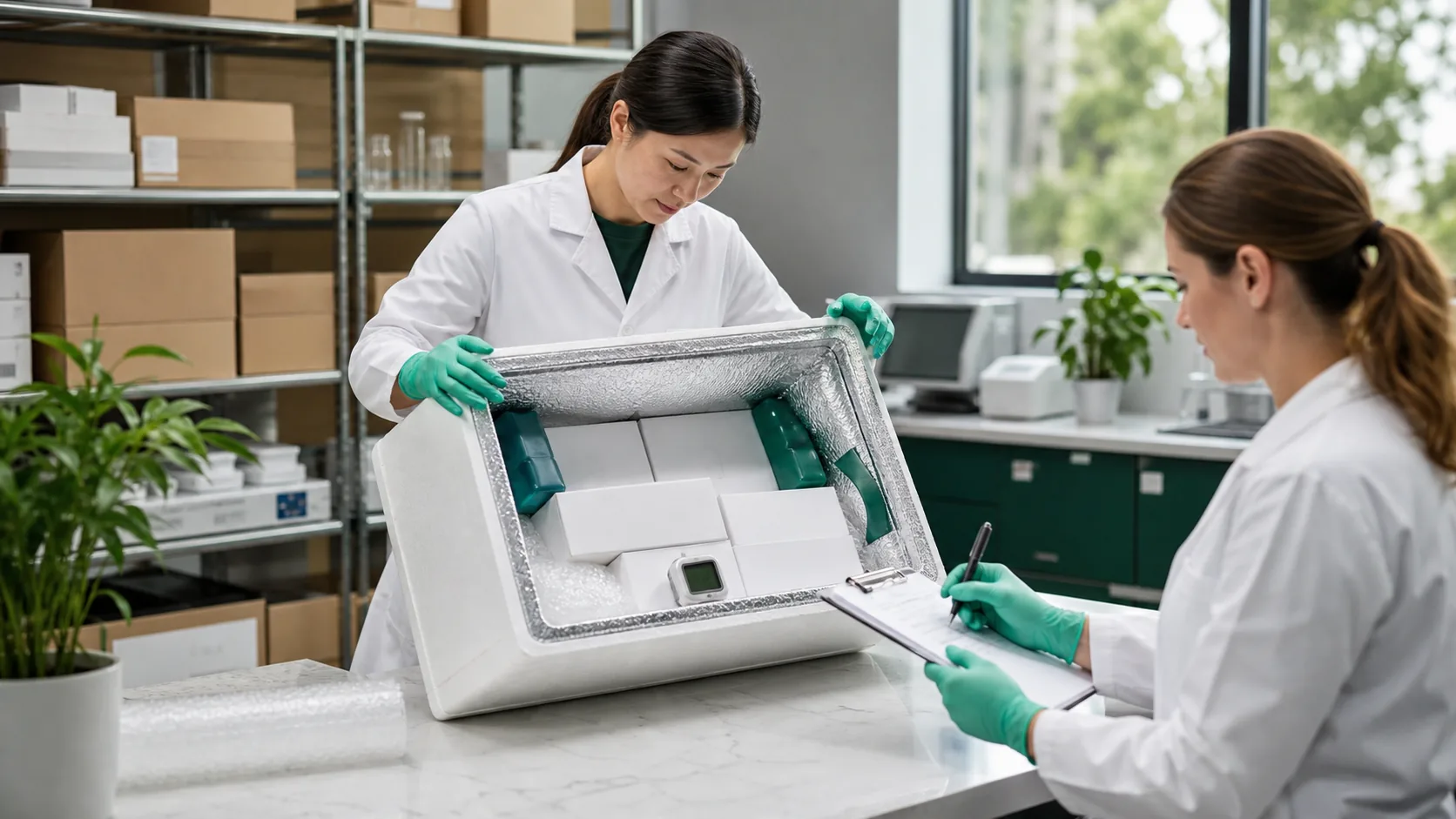
Peptide Shipping and Handling: What to Expect
Cold chain requirements, delivery checklist, and seasonal considerations.
Read Article →We Want to Hear From You
If there is a subject you would like us to cover, or if you have a question about peptide research methodology, reach out to our team.
Contact Us